

30 years of the Hungaria–Austria gas pipeline
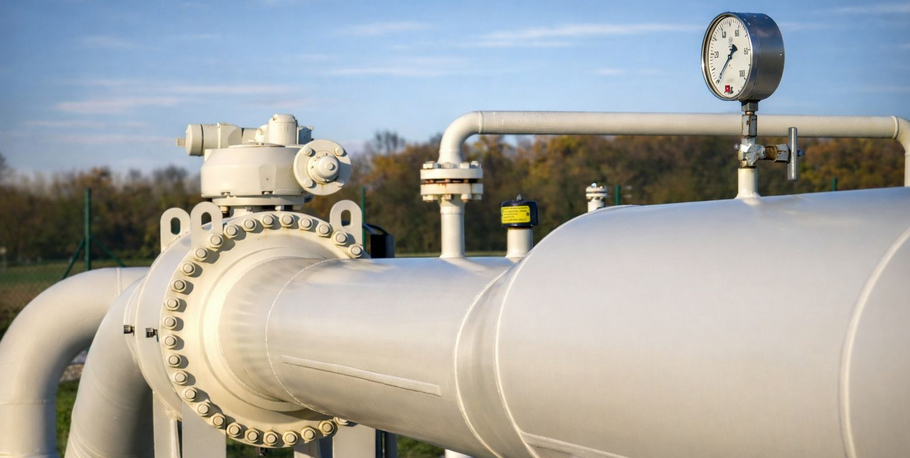
Construction of the Hungaria-Austria-gas pipeline began in 1994, and it went into operation in 1996. The pipeline has a diameter of 70 centimetres and can be operated at a working pressure of up to 70 bar. Its total length is around 120 kilometres, of which around 46 kilometres are on the Austrian side up to the Hungarian border. It is part of the European transmission network and has a technically marketable capacity of around 56 TWh per year at the Austrian-Hungarian transfer point in Mosonmagyaróvár. It thus made an early and significant contribution to the diversification of gas supplies in the region and is an important prerequisite for a functioning European gas market.
The HAG provides Hungary with access to different sources of supply, alternative delivery routes and flexible gas flows within Europe. As part of a closely networked European transport system, gas can also be transported via Austria to eastern neighbouring countries such as Ukraine, depending on market conditions and demand. Its importance is also reflected in its current use: in 2025, around 30 TWh of gas flowed from Austria to Hungary via the HAG – equivalent to around 69% of Austria's total gas exports in the transmission network.
A pipeline with history
However, the construction of the Hungaria–Austria gas pipeline was more than just a major technical project. Significant archaeological finds that provide insights into several millennia of settlement history were uncovered along the route.

©BDA, M. Oberer, C. Mayer, P. Kolp
Exceptionally dense layers of artefacts were unearthed, particularly in the Kittsee area of Burgenland. The remains of settlements and burials dating back to almost all prehistoric eras were found, ranging from the Neolithic Age to the Bronze and Iron Ages, and continuing through to the Roman Empire and the early Middle Ages. Foundations of houses, pits, ceramic vessels, tools and numerous graves were among the finds.
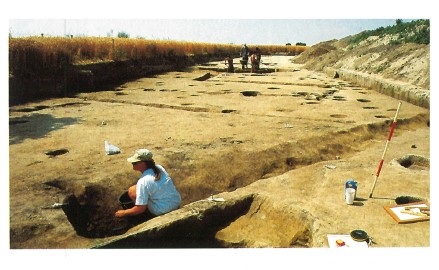
©BDA, M. Oberer, C. Mayer, P. Kolp
Significant discoveries were also made in the Baumgarten an der March area (Lower Austria), where remains of several prehistoric settlements were documented. These included reconstructable house structures as well as later burials from the Bronze and Iron Ages.
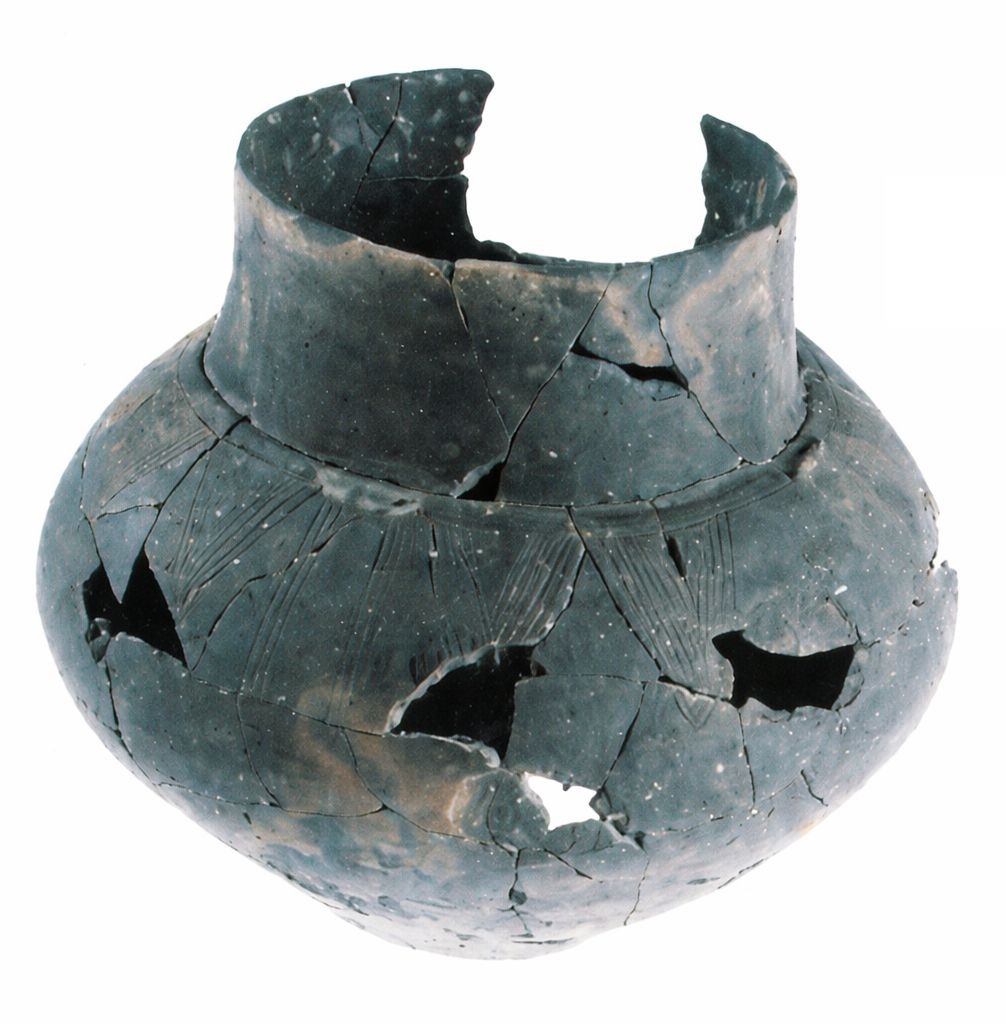
©BDA, M. Oberer, C. Mayer, P. Kolp
While a pipeline for energy supply was being built starting in 1994, traces of more than five millennia of human history were uncovered at the same time. The archaeological investigations and excavations were scientifically supervised by the Department of Archaeology (formerly the Department of Archaeological Monuments) of the Federal Monuments Office. Due to the exceptional significance and density of the finds, the Federal Monuments Office, with support from the then OMV Erdgas, published the brochure “Hungaria–Austria Gas Pipeline – The Pipeline Through Five Millennia.”
Reliability Across Generations – and a Look to the Future
For more than 30 years, the Hungaria–Austria Gas Pipeline has proven itself as a robust and secure transport axis. The anniversary is an opportunity to reflect on the past - but above all to look ahead. In light of the REPowerEU initiative, which aims for a complete phase-out of Russian natural gas by the end of 2027, existing high-performance infrastructure is becoming increasingly important. The Hungaria–Austria Gas Pipeline will therefore continue to play a key role in regional and European energy supply.